
Dyke Country Homes, Farms & Blue Ridge Foothill Properties
Dyke VA Country Homes and Farms for Sale
Dyke VA country homes and farms for sale offer a peaceful Blue Ridge foothill setting with mountain views, usable acreage, horse properties, working farms, farmettes, historic homes, wooded retreats, and country homes with land near Charlottesville, Stanardsville, Ruckersville, Free Union, Boonesville, and Shenandoah National Park. Contact Bridget Archer at McLean Faulconer if you are thinking of selling your Dyke property.
Dyke VA Country Real Estate
Dyke VA Country Homes and Farms for Sale Near Charlottesville
Dyke VA country homes and farms for sale appeal to buyers seeking Blue Ridge Mountain views, usable acreage, privacy, equestrian potential, wooded beauty, and a quieter rural lifestyle within reach of Charlottesville, Stanardsville, Ruckersville, Free Union, Boonesville, and Shenandoah National Park. Set along the scenic foothills of Greene County and northern Albemarle, Dyke offers country homes with acreage, working farms, horse properties, farmettes, historic homes, mountain-view retreats, and rural estates shaped by pasture, woods, creeks, old roads, and dramatic natural scenery.
From Dyke farms for sale and equestrian properties to country homes on acreage, historic farmhouses, Blue Ridge-view retreats, and land parcels near Dyke, Boonesville, Stanardsville, Ruckersville, Free Union, and northern Albemarle, the strongest Dyke properties are defined by far more than square footage. Land usability, mountain or pastoral views, privacy, barn condition, fencing, water features, road access, commute routes, and daily function all shape buyer response and market positioning.
- Dyke country homes for sale with acreage, privacy, gardens, and Blue Ridge views
- Dyke farms for sale, including working farms, hobby farms, and farmettes
- Horse farms and equestrian properties with barns, fencing, pasture, and riding potential
- Historic homes, farmhouses, mountain-view retreats, and character-rich rural residences
- Country properties near Charlottesville, Stanardsville, Ruckersville, Free Union, and Route 29
- Homes with pasture, outbuildings, mountain views, creeks, gardens, and outdoor living space
- Rural properties with strong privacy, Blue Ridge beauty, and access to Shenandoah National Park
- Specialized listing guidance for Dyke country property sellers
Search Current Listings
View Dyke VA Country Farms & Homes for Sale Over 10 Acres
Browse current Dyke VA country homes and farms for sale, including homes over 10 acres, working farms, horse properties, farmettes, mountain-view homes, historic homes, wooded retreats, and distinctive acreage properties near Charlottesville, Stanardsville, and the Blue Ridge foothills.
Country Property Seller Representation
Experience Matters. Let’s Put It to Work for You.
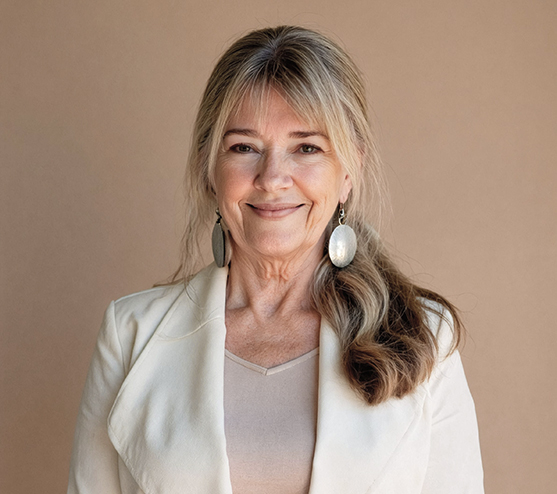
Bridget Archer · McLean Faulconer, Inc.
Strategic Marketing for Virginia Country Homes
Farms, estates, horse properties, historic homes, and distinctive country residences deserve more than ordinary exposure. They deserve thoughtful positioning, memorable presentation, and a strategy that makes the right buyer stop, look, and call.
For Dyke Property Sellers
Listing and Selling Dyke Country Homes and Farms
Listing and selling Dyke country homes and farms requires more than standard real estate marketing. Buyers searching for Dyke VA country homes for sale and Dyke farms for sale are often looking for a rare combination of Blue Ridge views, acreage, privacy, usable land, barns, fencing, creeks, wooded beauty, and convenient access to Charlottesville, Stanardsville, Ruckersville, or the mountain foothills.
Bridget Archer at McLean Faulconer provides specialized representation for sellers of Dyke country homes, working farms, horse farms, historic homes, estates, farmettes, mountain-view homes, and acreage properties. Her marketing is designed to help qualified buyers understand the full value of the property — from the approach and landscape to the architecture, land use, improvements, lifestyle, and long-term rural appeal.

For Dyke Property Buyers
A Smarter Way to Find Dyke Country Property
The best Dyke country homes and farms for sale are often defined by qualities that do not fit neatly into a basic property search: the orientation of the mountain views, the privacy of the setting, the usefulness of the acreage, the condition of barns and fencing, the balance of open and wooded land, the quality of water access, and the way the property supports everyday country living.
Share what matters most — acreage, privacy, barns, equestrian infrastructure, Blue Ridge views, wooded setting, open pasture, garden space, creeks or springs, proximity to Shenandoah National Park, commute to Charlottesville, or a specific Dyke, Boonesville, Stanardsville, or northern Albemarle setting. You’ll receive carefully matched opportunities, including select country properties that may be introduced before broader market exposure.

Market Insight
Understanding the Dyke Country Home and Farm Market
The market for Dyke country homes and farms is shaped by buyers who value Blue Ridge views, acreage, privacy, rural quiet, outdoor recreation, and access to Charlottesville, Stanardsville, Ruckersville, Free Union, and Route 29. Demand is strongest for properties that combine well-maintained homes, practical improvements, attractive acreage, barns, fencing, water features, and a memorable mountain or pastoral setting.
Property values in Dyke and the surrounding foothill countryside are influenced by more than square footage. Acreage quality, pasture condition, mountain views, wooded privacy, barn condition, fencing, creeks or springs, road access, internet availability, outbuildings, proximity to Shenandoah National Park, and commute routes to Charlottesville, Ruckersville, Stanardsville, and northern Albemarle all affect pricing, presentation, and buyer response.
Dyke Country Living
Dyke Farms, Country Homes and Rural Properties with Acreage
Dyke offers one of the most peaceful versions of Central Virginia country living. Buyers are drawn to its Blue Ridge foothill setting, quiet roads, farms, wooded retreats, mountain views, proximity to Shenandoah National Park, and relaxed rural character. It is an appealing choice for those who want space to garden, keep horses or livestock, enjoy privacy, or establish a country retreat with enduring mountain-country appeal.
- Blue Ridge Mountain views, wooded privacy, open pasture, creeks, and scenic foothill roads
- Strong appeal for country homes, farms, acreage, horse properties, and mountain-view retreats
- Interest from equestrian buyers, hobby farmers, gardeners, outdoor enthusiasts, and retreat buyers
- Convenient access to Charlottesville, Stanardsville, Ruckersville, Free Union, Boonesville, Route 29, and Shenandoah National Park
- A quiet rural lifestyle shaped by farms, mountain scenery, outdoor recreation, and practical regional access
Country Property Types
Types of Dyke Country Homes and Farms for Sale
Dyke country homes and farms for sale include working farms, horse farms, farmettes, historic farmhouses, mountain-view homes, country estates, wooded retreats, creekside properties, and rural homes with acreage. What connects them is not one architectural style, but a shared desire for land, privacy, mountain scenery, usefulness, value, and a lifestyle rooted in the Blue Ridge foothills.
- Country homes with acreage, mature trees, gardens, wooded privacy, and mountain views
- Working farms and farmettes with pasture, barns, fencing, hay fields, and agricultural use
- Horse properties with stables, paddocks, turnout, riding areas, and equestrian potential
- Historic homes and farmhouses with character, acreage, and long-standing rural appeal
- Mountain-view properties near the Blue Ridge, Shenandoah National Park, Boonesville, and northern Albemarle
- Rural retreats and creekside properties with outbuildings, woods, open land, and privacy
Dyke & Blue Ridge Foothill Corridors
Where Buyers Search for Dyke Country Homes and Farms
Buyers searching for country homes and farms in Dyke, VA often compare location, acreage, Blue Ridge views, privacy, recreation access, commute time, and proximity to Charlottesville, Stanardsville, Ruckersville, or Free Union. Each nearby rural corridor offers its own version of foothill country living.
| Area | Why Buyers Search Here | Typical Country Property Appeal |
|---|---|---|
| Dyke | Blue Ridge foothill setting, quiet roads, mountain views, and rural privacy | Country homes, farms, horse properties, wooded retreats, and mountain-view acreage |
| Boonesville | Deep rural character, scenic back roads, and foothill beauty | Farms, retreats, horse properties, country homes, and forested acreage |
| Stanardsville | Small-town convenience, county services, and access to Shenandoah National Park | Country homes, farms, historic homes, mountain-view properties, and acreage |
| Ruckersville | Route 29 convenience, shopping, services, and Charlottesville access | Country homes, small farms, commuter-friendly acreage, and private homesites |
| Free Union | Blue Ridge views, privacy, and highly sought-after Albemarle countryside | Mountain-view homes, farms, retreats, historic homes, and scenic land |
| Earlysville | Northern Albemarle convenience with rural character | Country homes, farms, equestrian properties, and private acreage near Charlottesville |
| Charlottesville Area | UVA, employment, healthcare, cultural amenities, dining, and services | Buyers often compare Dyke for more land, privacy, and Blue Ridge scenery |
Buyer Guidance
What to Know When Buying a Dyke Country Home or Farm
Buying a Dyke country home or farm is both a lifestyle decision and a practical long-term investment. The most important considerations often extend beyond the residence itself, including land quality, access, water, septic systems, fencing, outbuildings, internet availability, mountain views, road maintenance, slope, and how the property will function over time.
- Land and acreage — usability, slope, pasture, woods, gardens, drainage, soil quality, and mountain views
- Privacy and setting — road frontage, buffers, sightlines, neighboring land, wooded cover, and future use
- Infrastructure — wells, septic systems, driveways, utilities, internet, access, and long-term maintenance
- Outbuildings — barns, garages, workshops, run-in sheds, equipment buildings, cottages, and storage
- Land use and rules — agricultural use, livestock potential, zoning, easements, covenants, and road agreements
- Daily function — commute time, mountain roads, fencing, water access, trailer access, and future improvements
Seller Strategy
Selling a Dyke Country Home or Farm
Country properties are not simply listed — they are introduced. Selling a Dyke country home or farm requires a strategy that communicates the property’s land, setting, mountain views, improvements, agricultural or equestrian function, lifestyle, privacy, and long-term appeal to a highly specific buyer audience.
Bridget Archer’s listing approach combines refined editorial copy, professional photography, aerial presentation, targeted digital exposure, niche property platforms, and the strength of McLean Faulconer’s reputation in the Charlottesville, Central Virginia, farm, estate, equestrian, historic-home, mountain-view, and country property market.
- Strategic pricing based on rural comparables, land value, location, condition, acreage, views, and buyer demand
- Elegant property descriptions, feature brochures, and lifestyle-driven presentation
- Architectural, landscape, aerial, barn, pasture, garden, mountain-view, creekside, and detail photography
- Focused exposure for buyers seeking Dyke country homes and farms for sale
- Seller representation with clear advocacy, discretion, and no dual agency
For a confidential conversation about listing and selling your Dyke country home, farm, land, horse property, historic home, mountain-view property, or estate, call Bridget Archer at 434-981-4149.
Confidential Dyke Property Valuation
What Is Your Dyke Country Home or Farm Worth?
Dyke country homes and farms are not one-size-fits-all. Value can shift significantly based on acreage, privacy, condition, location, Blue Ridge views, barn condition, fencing, pasture quality, wooded acreage, creeks or springs, guest space, road access, internet availability, and overall country-property appeal.
If you are considering selling, a confidential consultation can help you understand realistic pricing, buyer demand, presentation strategy, and which improvements may make the strongest impact before going to market.
Frequently Asked Questions
FAQs About Dyke Country Homes and Farms for Sale
What types of country homes and farms are available in Dyke?
Dyke offers working farms, horse properties, country homes on acreage, farmettes, wooded retreats, historic farmhouses, mountain-view homes, creekside properties, and rural estates. Many include barns, fenced pasture, gardens, wooded privacy, water features, Blue Ridge views, or practical outbuildings.
Where is Dyke, VA?
Dyke is located in the Blue Ridge foothills of Greene County, near Stanardsville, Ruckersville, Boonesville, Free Union, northern Albemarle, and Shenandoah National Park. Buyers often compare Dyke with nearby rural areas based on acreage, mountain views, privacy, and access to Charlottesville.
Are there horse farms for sale in Dyke?
Yes. Dyke and the surrounding Greene County and northern Albemarle countryside offer equestrian properties with barns, fenced pastures, paddocks, riding areas, run-in sheds, and acreage suited to horses or livestock.
Do Dyke farms usually have wells and septic systems?
Many rural homes and farms near Dyke rely on private wells and septic systems. Buyers should review well yield, water quality, septic records, system condition, access, and any relevant easements during due diligence.
What features add value to Dyke country properties?
Key value drivers include usable acreage, privacy, condition, road access, Blue Ridge views, pasture, barn quality, fencing, wooded acreage, water features, outbuildings, internet availability, and access to Charlottesville, Stanardsville, Ruckersville, Free Union, Route 29, and Shenandoah National Park.
Is Dyke good for mountain-view and retreat properties?
Yes. Dyke is especially appealing to buyers seeking mountain views, wooded privacy, quiet roads, outdoor recreation, and a foothill setting close to Shenandoah National Park while remaining within reach of Charlottesville.
What should buyers evaluate before purchasing a Dyke farm or country home?
Buyers should evaluate the home, land, surveys, wells, septic systems, fencing, barns, driveway access, internet availability, zoning, road maintenance, covenants, soil quality, slope, mountain access, and how the property will function long term.
Why work with a specialist when buying or selling a Dyke country home or farm?
Country homes and farms are nuanced. Specialized representation helps buyers and sellers understand land value, farm infrastructure, equestrian function, mountain-view value, pricing strategy, marketing presentation, and the lifestyle elements that drive demand.
Explore More Dyke and Blue Ridge Foothill Property Areas
Discover Dyke’s Most Desirable Country Property Locations
- Greene County Country Homes and Farms — Mountain views, farms, acreage, and rural retreats near Charlottesville
- Stanardsville Country Properties — Small-town character, Blue Ridge views, and Shenandoah National Park access
- Free Union Country Properties — Scenic Albemarle acreage, privacy, and Blue Ridge beauty
- Charlottesville Country Homes — Rural homes, estates, farms, and acreage near Charlottesville
Reviewed & Current as Tuesday, July 21, 2026
Seller Marketing Network
More Than a Listing. A More Complete Way to Be Seen.
Built for properties with land, character, usefulness, and a story to tell.
VirginiaCountryLiving.com is the country-property hub of Bridget Archer’s marketing network — built for homes and land with more to say: acreage, architecture, privacy, history, barns, pastures, gardens, views, water, working land, and the unmistakable pull of a Central Virginia setting.
Many distinctive properties belong in more than one category. A historic home may also be a farm. A country estate may include barns, fenced pasture, gardens, or equestrian improvements. A rural retreat may appeal to buyers searching for acreage, privacy, views, and a quieter way of life. This connected network gives each property room to be understood through every quality that makes it valuable.

Charlottesville Horse Farms
CharlottesvilleEquestrianProperties.com gives horse farms and equestrian estates a focused place within the network, created for buyers searching for barns, arenas, fenced pasture, turnout, riding trails, acreage, and horse-friendly land near Charlottesville.
Equestrian buyers look beyond acreage. They study the barn, fencing, turnout, arenas, trailer access, water sources, pasture layout, footing, hay storage, and the daily usefulness of the farm. A property with strong equestrian function deserves to be presented through that lens, especially when the residence, setting, land, and improvements all work together.
For sellers, this matters when a property is more than a home with land. It may be a true horse farm, a country estate with equestrian infrastructure, a historic farmhouse with barns, or a rural retreat with pastures and rideability. This site helps buyers understand that function from the beginning.

Virginia Historic Homes
VirginiaHistoricEstates.com gives historic homes, antique residences, country manors, and legacy estates a focused place within the network. These properties need more than ordinary exposure; they need context — architecture, craftsmanship, age, provenance, gardens, outbuildings, acreage, setting, and story presented in a way the right buyer can understand.
A historic property may also be a farm, a horse property, a country estate, or a private rural retreat. Its value may be found in original detail, mature trees, old dependencies, garden structure, approach, land, and the quiet permanence that cannot be recreated.
This site helps historic properties be seen for more than age or square footage. It gives them a dedicated setting where history, architecture, land, and lifestyle can be understood together.

Charlottesville Country Estates
CharlottesvilleCountryEstates.com gives estate-caliber country properties their own refined presentation — homes where architecture, acreage, privacy, approach, views, setting, and long-term value matter as much as the residence itself.
Estate buyers look for more than square footage. They notice the arrival, land, privacy, gardens, outdoor spaces, barns, views, guest space, and the overall feeling of the property. A country estate may also be historic, equestrian, agricultural, or deeply tied to the landscape around it.
This site helps frame those properties as complete estates, not simply houses on acreage — giving sellers a stronger way to communicate scale, setting, lifestyle, and lasting value.

Virginia Country Living
VirginiaCountryLiving.com is the central country-property hub of the network, bringing together the many ways buyers search for Central Virginia rural real estate — country homes, farms, horse properties, historic homes, estates, acreage, gardens, views, barns, pastures, and homes with land.
The hub is intentionally broader than the individual niche sites. It gives buyers a place to explore the full country-property market, while still connecting them to more specialized resources when a property has historic, equestrian, farm, estate, or acreage-driven appeal.
For sellers, the benefit is context. A property can be presented through the qualities that make it meaningful — land, setting, character, usefulness, privacy, beauty, improvements, and the way of life it offers.

Charlottesville Country Properties
CharlottesvilleCountryProperties.com is being developed as a focused resource for buyers searching for country homes, acreage properties, smaller farms, rural retreats, older farmhouses, and simple country living near Charlottesville.
This site supports the more approachable side of the country-property market — homes with land, barns, gardens, workshops, privacy, usable acreage, and a quieter rural setting without requiring the scale of a formal estate.
Within the broader network, it helps distinguish everyday country living from the more specialized categories of luxury estates, historic homes, horse farms, and working farms. It gives this important segment of the market its own clear identity.

Charlottesville Farms and Estates
CharlottesvilleFarmsandEstates.com is being developed as a focused resource for buyers interested in farms, estate acreage, working land, pasture, barns, water sources, fencing, hay fields, and productive rural property near Charlottesville.
This site supports the land-centered side of the network, where acreage, infrastructure, soil, water, fencing, barns, field layout, equipment access, and practical use can be as important as the residence itself.
For sellers of farms and acreage properties, this matters because the land needs to be explained, not just shown. Farm-minded buyers want to understand how the property works, how it can be used, and whether it supports a true rural or agricultural way of life.
Seller Representation
Considering Selling Your Central Virginia Property? Position Your Property to Stand Apart.
If you are thinking about selling a country property, horse farm, historic estate, working farm, acreage property, or distinctive rural home in Charlottesville or Central Virginia, your property deserves more than a listing. It deserves strategic positioning, refined presentation, and marketing designed to help the right buyers understand its full value. Contact Bridget Archer to discuss how your property can be prepared, presented, and positioned within a focused country-property marketing network.