
Madison County Working Farms, Blue Ridge Acreage & Productive Farmland
Madison County Working Farms & Farmland
Listing and selling Madison County working farms and farmland, from cattle, horse, hay, and crop farms to productive acreage with barns, pasture, fencing, water, and agricultural improvements near the Blue Ridge. Bridget Archer at McLean Faulconer provides specialized seller representation that brings the land, residence, improvements, and agricultural function together in a refined and compelling presentation designed to reach qualified buyers.
Madison County Farm Real Estate
Working Farms in Madison County: Blue Ridge Foothills, Fertile Land & Rural Tradition
Madison County working farms offer one of Central Virginia’s most authentic rural landscapes — open pastures below the Blue Ridge, quiet country roads, hayfields, cattle farms, horse properties, and productive acreage shaped by generations of agricultural use.
Buyers are often drawn to Madison County for its combination of beauty and practicality: mountain views, usable land, water sources, barns, fencing, and the kind of privacy that supports both farming and country living. For sellers, these properties deserve marketing that presents the land, infrastructure, setting, and lifestyle with clarity and distinction.
Farm Appeal
- Cattle farms with grazing land and water access
- Horse farms with barns, paddocks, and riding terrain
- Hayfields, open acreage, and agricultural valleys
- Mixed-use farms suited for livestock, crops, or homestead living
Land & Location
- Madison County farms near Route 29 and Charlottesville
- Blue Ridge-view acreage near Etlan, Syria, and Criglersville
- Productive farmland near Rochelle, Pratts, Radiant, and Oak Park
- Specialized guidance for working farm buyers and sellers
Current Listings
View Madison County Working Farms for Sale
Browse current Madison County working farms for sale, including farms with acreage, cattle farms, horse farms, pastureland, hayfields, barns, agricultural land, mountain-view acreage, and Central Virginia country properties.
Country Property Seller Representation
Experience Matters. Let’s Put It to Work for You.

Bridget Archer · McLean Faulconer, Inc.
Strategic Marketing for Virginia Country Homes
Farms, estates, horse properties, historic homes, and distinctive country residences deserve more than ordinary exposure. They deserve thoughtful positioning, memorable presentation, and a strategy that makes the right buyer stop, look, and call.
Seller Representation
Selling a Madison County Working Farm Requires More Than Exposure
Selling a Madison County working farm takes more than standard residential marketing. Buyers want to understand the usable acreage, water sources, pasture quality, fencing, barns, agricultural infrastructure, access, mountain views, and long-term productivity of the land.
Bridget Archer positions working farms with a land-first approach — highlighting the property’s setting, function, improvements, lifestyle appeal, and buyer audience. The goal is to present the farm clearly, beautifully, and strategically to buyers who understand the value of productive Central Virginia acreage.

Market Overview
Finding Working Farms in Madison County
Working farms in Madison County, Virginia offer fertile land, sweeping countryside, and agricultural traditions rooted in the foothills of the Blue Ridge Mountains. These properties may include pastureland, cropland, barns, equipment buildings, water sources, fencing, and homes that support a wide range of farming operations and rural lifestyles.
Buyers searching for Madison County working farms often value productive soil, reliable water sources, usable acreage, and land suited for livestock, horses, hay, crops, orchards, or diversified agricultural uses. Opportunities can be found throughout the county, including areas near Madison, Brightwood, Wolftown, Radiant, Etlan, Syria, Rochelle, Pratts, and the surrounding Blue Ridge countryside.
Buyer Search
A Smarter Way to Find Working Farms in Madison County
Searching for the right working farm in Madison County often requires more than reviewing the properties currently available. We help buyers identify farms where land quality, acreage, infrastructure, water, and access support productive farming and long-term stewardship.
Share what matters most — farm acreage and land use, barns, equipment buildings, or livestock facilities, water sources and soil quality, and your preferred Madison County locations.
Farm Property Essentials
What Makes a Madison County Property a Working Farm?
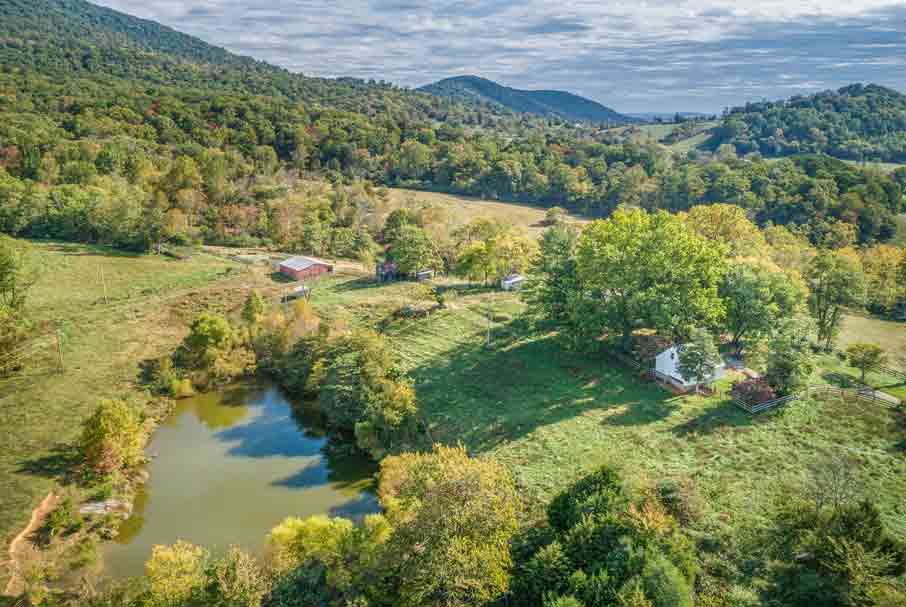
Madison farms are shaped by their mountain-influenced terrain, water availability, and strong agricultural tradition. Working farms here combine usable acreage with functional infrastructure designed for real farming activity, whether the property supports cattle, horses, hay, crops, orchards, or mixed-use agricultural living.
- Extensive pasture and grazing acreage
- Barns, run-ins, and agricultural outbuildings
- Reliable water sources from streams, springs, wells, or ponds
- Livestock fencing and equipment-ready access
- Land suited for hay, cattle, horses, crops, or diversified farming
Farm Property Types
Types of Working Farms in Madison County
Madison’s diverse farm landscape offers opportunities for hobby farmers, equestrians, cattle producers, hay producers, and buyers seeking wide, open farmland beneath the mountains.
- Cattle farms with grazing land, fencing, and water access
- Hay farms with open, well-managed fields and equipment access
- Equestrian farms with barns, paddocks, and riding terrain
- Mixed-agriculture farms suited for livestock, crops, orchards, or gardens
- Homestead farms with flexible agricultural capacity and country living appeal
Farm Infrastructure
Agricultural Features & Farm Infrastructure
Madison farms often include practical infrastructure that supports livestock, hay production, equestrian use, and long-term agricultural stewardship. The condition and placement of barns, fencing, water systems, farm roads, and storage areas can have a meaningful impact on both value and usability.
- Livestock barns, run-ins, and equipment buildings
- Board, wire, or high-tensile fencing
- Water systems including streams, springs, ponds, wells, or automatic waterers
- Hay barns and feed storage areas
- Farm roads that support trucks, trailers, tractors, and implements
Land Quality
Soils & Land Capability in Madison County
Madison’s soils and topography vary across valleys, foothills, and open countryside. Some properties offer excellent grazing pasture; others provide open fields for hay, well-drained ground for horses, wooded buffers, or bottomland suited for crops and diversified agricultural use.
- Grazing pasture in valley and foothill regions
- Open fields suitable for hay production or rotational use
- Well-drained land that may support horses and equestrian improvements
- Bottomland acreage with soil suitable for crops or gardens
- Mixed land appropriate for diversified farming and long-term stewardship
Zoning and Land Use
Zoning, Land Use & Agricultural Tax Considerations
Madison County farm properties may involve agricultural zoning, land-use taxation, forestry or open-space classifications, and permitted-use considerations. Buyers and sellers should review the current land use, acreage, improvements, and county requirements carefully before relying on any tax or land-use assumption.
- Potential land-use taxation for qualifying agricultural land
- Zoning considerations for livestock, horses, crops, and agricultural uses
- Possible forestry, horticultural, or open-space classifications
- Importance of confirming eligibility, acreage, current use, and county requirements
Market Insight
The Madison County Working Farm Market
The Madison County working farm market is shaped by limited rural inventory, buyer demand for usable land, and the enduring appeal of Blue Ridge views. Farms with strong water sources, open pasture, well-maintained barns, or highly usable acreage may attract meaningful interest from agricultural, equestrian, and lifestyle buyers.
- Limited turnover of legacy farmland and established rural properties
- Buyer interest in mountain-view farms and usable acreage
- Demand from equestrian, cattle, homestead, and lifestyle buyers
- Pricing influenced by water, access, infrastructure, views, pasture quality, and acreage usability
Buyer Guidance
What to Consider When Buying a Working Farm in Madison County
In Madison County, terrain, water, access, fencing, pasture quality, and barn condition all play an important role in determining whether a farm will truly support the buyer’s intended use. A property may be beautiful, but its long-term value often depends on how well the land functions.
- Water sources such as springs, streams, wells, and ponds
- Pasture condition, drainage, and fencing
- Barn condition and suitability for livestock, horses, hay, or equipment
- Access for trailers, tractors, trucks, and agricultural equipment
- Acres usable for grazing, hay, or crops versus wooded or steep acreage
Madison Farm Corridors
Where Working Farms Are Found in Madison County
Madison’s farms are found across foothills, valleys, open fields, and rural corridors throughout the county. Each area offers its own balance of mountain views, water, access, pasture, and long-term agricultural use.
- Etlan & Syria: Valley farms, mountain views, and water-influenced settings
- Criglersville: Grazing land, hayfields, and rural Blue Ridge foothill appeal
- Rochelle & Pratts: Broad acreage farms with access to Route 29
- Radiant & Oak Park: Mixed-use agricultural corridors and country properties
- Brightwood & Wolftown: Rural acreage, pastureland, and traditional farm settings
Seller Strategy
Listing & Selling a Working Farm in Madison County
Selling a working farm in Madison County means presenting not just the residence, but the land, fencing, barns, water sources, access, agricultural capability, and lifestyle value. Strategic pricing, strong visual presentation, aerial imagery, and careful buyer qualification all help position a farm clearly in the market.
- Farm-specific valuation that reflects land, improvements, and infrastructure
- Aerial imagery and mapping for pasture, barns, water, and access
- Marketing that targets agricultural, equestrian, homestead, and lifestyle buyers
- Clear guidance on inspections, land-use questions, and buyer expectations
- Seller representation with clear advocacy and no dual agency
For a consultation about your Madison County working farm, call Bridget Archer at 434-981-4149.
Frequently Asked Questions
Madison County Working Farms — Frequently Asked Questions
Are Madison farms good for cattle?
Yes. Madison County has open pasture, grazing land, and natural water sources that may support cattle operations and other livestock uses, depending on the specific property.
Is Madison County suitable for horses?
Yes. The foothill terrain, open valleys, and well-drained ground can work well for equestrian properties, barns, paddocks, riding areas, and scenic horse farms.
Do farms in Madison qualify for land-use taxation?
Many Madison County farms may qualify for land-use taxation when they meet county requirements for agricultural, horticultural, forestry, or open-space use. Eligibility should always be confirmed with the county.
Are mountain-view farms in Madison more expensive?
Farms with Blue Ridge views, usable pasture, water sources, and strong infrastructure may command stronger pricing, especially when the land is highly functional as well as scenic.
Page updated May 31, 2026.
Seller Marketing Network
More Than a Listing. A More Complete Way to Be Seen.
Built for properties with land, character, usefulness, and a story to tell.
VirginiaCountryLiving.com is the country-property hub of Bridget Archer’s marketing network — built for homes and land with more to say: acreage, architecture, privacy, history, barns, pastures, gardens, views, water, working land, and the unmistakable pull of a Central Virginia setting.
Many distinctive properties belong in more than one category. A historic home may also be a farm. A country estate may include barns, fenced pasture, gardens, or equestrian improvements. A rural retreat may appeal to buyers searching for acreage, privacy, views, and a quieter way of life. This connected network gives each property room to be understood through every quality that makes it valuable.

Charlottesville Horse Farms
CharlottesvilleEquestrianProperties.com gives horse farms and equestrian estates a focused place within the network, created for buyers searching for barns, arenas, fenced pasture, turnout, riding trails, acreage, and horse-friendly land near Charlottesville.
Equestrian buyers look beyond acreage. They study the barn, fencing, turnout, arenas, trailer access, water sources, pasture layout, footing, hay storage, and the daily usefulness of the farm. A property with strong equestrian function deserves to be presented through that lens, especially when the residence, setting, land, and improvements all work together.
For sellers, this matters when a property is more than a home with land. It may be a true horse farm, a country estate with equestrian infrastructure, a historic farmhouse with barns, or a rural retreat with pastures and rideability. This site helps buyers understand that function from the beginning.

Virginia Historic Homes
VirginiaHistoricEstates.com gives historic homes, antique residences, country manors, and legacy estates a focused place within the network. These properties need more than ordinary exposure; they need context — architecture, craftsmanship, age, provenance, gardens, outbuildings, acreage, setting, and story presented in a way the right buyer can understand.
A historic property may also be a farm, a horse property, a country estate, or a private rural retreat. Its value may be found in original detail, mature trees, old dependencies, garden structure, approach, land, and the quiet permanence that cannot be recreated.
This site helps historic properties be seen for more than age or square footage. It gives them a dedicated setting where history, architecture, land, and lifestyle can be understood together.

Charlottesville Country Estates
CharlottesvilleCountryEstates.com gives estate-caliber country properties their own refined presentation — homes where architecture, acreage, privacy, approach, views, setting, and long-term value matter as much as the residence itself.
Estate buyers look for more than square footage. They notice the arrival, land, privacy, gardens, outdoor spaces, barns, views, guest space, and the overall feeling of the property. A country estate may also be historic, equestrian, agricultural, or deeply tied to the landscape around it.
This site helps frame those properties as complete estates, not simply houses on acreage — giving sellers a stronger way to communicate scale, setting, lifestyle, and lasting value.

Virginia Country Living
VirginiaCountryLiving.com is the central country-property hub of the network, bringing together the many ways buyers search for Central Virginia rural real estate — country homes, farms, horse properties, historic homes, estates, acreage, gardens, views, barns, pastures, and homes with land.
The hub is intentionally broader than the individual niche sites. It gives buyers a place to explore the full country-property market, while still connecting them to more specialized resources when a property has historic, equestrian, farm, estate, or acreage-driven appeal.
For sellers, the benefit is context. A property can be presented through the qualities that make it meaningful — land, setting, character, usefulness, privacy, beauty, improvements, and the way of life it offers.

Charlottesville Country Properties
CharlottesvilleCountryProperties.com is being developed as a focused resource for buyers searching for country homes, acreage properties, smaller farms, rural retreats, older farmhouses, and simple country living near Charlottesville.
This site supports the more approachable side of the country-property market — homes with land, barns, gardens, workshops, privacy, usable acreage, and a quieter rural setting without requiring the scale of a formal estate.
Within the broader network, it helps distinguish everyday country living from the more specialized categories of luxury estates, historic homes, horse farms, and working farms. It gives this important segment of the market its own clear identity.

Charlottesville Farms and Estates
CharlottesvilleFarmsandEstates.com is being developed as a focused resource for buyers interested in farms, estate acreage, working land, pasture, barns, water sources, fencing, hay fields, and productive rural property near Charlottesville.
This site supports the land-centered side of the network, where acreage, infrastructure, soil, water, fencing, barns, field layout, equipment access, and practical use can be as important as the residence itself.
For sellers of farms and acreage properties, this matters because the land needs to be explained, not just shown. Farm-minded buyers want to understand how the property works, how it can be used, and whether it supports a true rural or agricultural way of life.
Seller Representation
Considering Selling Your Central Virginia Property? Position Your Property to Stand Apart.
If you are thinking about selling a country property, horse farm, historic estate, working farm, acreage property, or distinctive rural home in Charlottesville or Central Virginia, your property deserves more than a listing. It deserves strategic positioning, refined presentation, and marketing designed to help the right buyers understand its full value. Contact Bridget Archer to discuss how your property can be prepared, presented, and positioned within a focused country-property marketing network.