
A First-Time Historic Homeowner’s Guide
A thoughtful introduction to buying, preserving, and living beautifully with an older home in Charlottesville and Central Virginia.
Don’t Shake the Foundation
Buying a historic home is rarely just a real estate decision. It is a decision of stewardship — a choice to live with craftsmanship, character, proportion, patina, and the quiet authority of a house that has already stood through generations.
The romance is real. So are the responsibilities. Historic homes often come with older systems, specialized materials, unusual construction methods, preservation considerations, and renovation questions that require a more careful eye than a standard home purchase. For first-time historic home buyers, understanding both the beauty and the obligations of ownership is essential.
Old Houses Ask Better Questions
A newer home often asks whether the floor plan works. A historic home asks deeper questions: How was it built? What has been altered? What original features remain? Have the systems been updated thoughtfully? Are there signs of moisture, settlement, structural movement, or deferred maintenance?
Older homes may have different construction techniques, materials, proportions, and repair needs than modern homes. Plaster walls, old-growth wood, hand-laid brick, stone foundations, original windows, and historic millwork can be extraordinary assets, but they should be evaluated with care.
Systems Matter: Electrical, Plumbing, HVAC, and More
One of the most important parts of buying a historic home is understanding the condition of its major systems. Electrical, plumbing, heating, cooling, roofing, drainage, and insulation may have been updated over time — or may still require significant investment.
Buyers should look closely at whether improvements were completed properly and whether they are compatible with the age and character of the home. Updating an older house is not always the same as updating a newer one. The best work respects the building while making it comfortable, safe, and functional for modern life.
Lead Paint, Old Materials, and Preservation Realities
Many older homes may contain lead-based paint or other materials that require special handling. These issues do not necessarily make a property a poor choice, but they do mean buyers should proceed with knowledge, inspections, and realistic expectations.
If a property is located in a historic district or is subject to preservation restrictions, buyers should also understand what changes may require review or approval. Exterior alterations, additions, window replacements, demolitions, and certain renovations may be limited or guided by local requirements.
Modern Living in an Older House
Historic homes were not always built around the conveniences today’s buyers expect. Large closets, open floor plans, attached garages, oversized bathrooms, and expansive kitchens may be limited or absent. For some buyers, that is part of the charm. For others, it requires thoughtful planning.
The key is to understand what can be changed gracefully and what should be preserved. A well-loved historic home does not have to feel frozen in time, but the most successful renovations honor the architecture rather than erase it.
Budget Beyond the Purchase Price
Historic homes can require a more generous and thoughtful maintenance budget than newer properties. Specialized contractors, custom millwork, plaster repair, masonry restoration, slate or metal roofing, window restoration, and sensitive system upgrades may cost more than standard repairs.
Financing can also be more complex if a home needs extensive repairs or does not meet certain lender requirements. Before purchasing, buyers should understand inspection findings, repair priorities, insurance considerations, renovation costs, and the long-term commitment of maintaining a historic property properly.
The Reward Is Living With Character
Despite the challenges, owning a historic home can be deeply rewarding. These properties offer a sense of place, story, craft, and permanence that is difficult to replicate. For buyers who appreciate history, architecture, old materials, and stewardship, a historic home can become far more than a residence.
With careful research, skilled inspections, realistic budgeting, and the right guidance, first-time historic home buyers can approach the process with confidence — preserving the past while creating a beautiful life for the present.
Call Us About Buying a Historic Home
Bridget Archer represents distinctive historic homes, country properties, and estates throughout Charlottesville and Central Virginia, helping buyers evaluate character, condition, setting, and long-term stewardship with care.
Email Bridget Archer Call 434-981-4149Country Property Seller Representation
Experience Matters. Let’s Put It to Work for You.
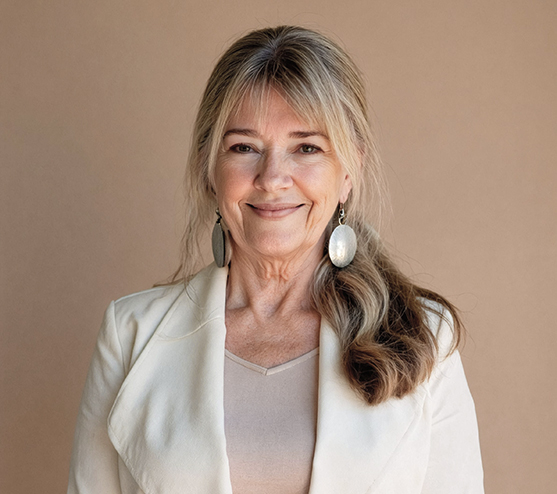
Bridget Archer · McLean Faulconer, Inc.
Strategic Marketing for Virginia Country Homes
Farms, estates, horse properties, historic homes, and distinctive country residences deserve more than ordinary exposure. They deserve thoughtful positioning, memorable presentation, and a strategy that makes the right buyer stop, look, and call.
Reviewed & Current as Wednesday, June 3, 2026
Seller Marketing Network
More Than a Listing. A More Complete Way to Be Seen.
Built for properties with land, character, usefulness, and a story to tell.
VirginiaCountryLiving.com is the country-property hub of Bridget Archer’s marketing network — built for homes and land with more to say: acreage, architecture, privacy, history, barns, pastures, gardens, views, water, working land, and the unmistakable pull of a Central Virginia setting.
Many distinctive properties belong in more than one category. A historic home may also be a farm. A country estate may include barns, fenced pasture, gardens, or equestrian improvements. A rural retreat may appeal to buyers searching for acreage, privacy, views, and a quieter way of life. This connected network gives each property room to be understood through every quality that makes it valuable.

Charlottesville Horse Farms
CharlottesvilleEquestrianProperties.com gives horse farms and equestrian estates a focused place within the network, created for buyers searching for barns, arenas, fenced pasture, turnout, riding trails, acreage, and horse-friendly land near Charlottesville.
Equestrian buyers look beyond acreage. They study the barn, fencing, turnout, arenas, trailer access, water sources, pasture layout, footing, hay storage, and the daily usefulness of the farm. A property with strong equestrian function deserves to be presented through that lens, especially when the residence, setting, land, and improvements all work together.
For sellers, this matters when a property is more than a home with land. It may be a true horse farm, a country estate with equestrian infrastructure, a historic farmhouse with barns, or a rural retreat with pastures and rideability. This site helps buyers understand that function from the beginning.

Virginia Historic Homes
VirginiaHistoricEstates.com gives historic homes, antique residences, country manors, and legacy estates a focused place within the network. These properties need more than ordinary exposure; they need context — architecture, craftsmanship, age, provenance, gardens, outbuildings, acreage, setting, and story presented in a way the right buyer can understand.
A historic property may also be a farm, a horse property, a country estate, or a private rural retreat. Its value may be found in original detail, mature trees, old dependencies, garden structure, approach, land, and the quiet permanence that cannot be recreated.
This site helps historic properties be seen for more than age or square footage. It gives them a dedicated setting where history, architecture, land, and lifestyle can be understood together.

Charlottesville Country Estates
CharlottesvilleCountryEstates.com gives estate-caliber country properties their own refined presentation — homes where architecture, acreage, privacy, approach, views, setting, and long-term value matter as much as the residence itself.
Estate buyers look for more than square footage. They notice the arrival, land, privacy, gardens, outdoor spaces, barns, views, guest space, and the overall feeling of the property. A country estate may also be historic, equestrian, agricultural, or deeply tied to the landscape around it.
This site helps frame those properties as complete estates, not simply houses on acreage — giving sellers a stronger way to communicate scale, setting, lifestyle, and lasting value.

Virginia Country Living
VirginiaCountryLiving.com is the central country-property hub of the network, bringing together the many ways buyers search for Central Virginia rural real estate — country homes, farms, horse properties, historic homes, estates, acreage, gardens, views, barns, pastures, and homes with land.
The hub is intentionally broader than the individual niche sites. It gives buyers a place to explore the full country-property market, while still connecting them to more specialized resources when a property has historic, equestrian, farm, estate, or acreage-driven appeal.
For sellers, the benefit is context. A property can be presented through the qualities that make it meaningful — land, setting, character, usefulness, privacy, beauty, improvements, and the way of life it offers.

Charlottesville Country Properties
CharlottesvilleCountryProperties.com is being developed as a focused resource for buyers searching for country homes, acreage properties, smaller farms, rural retreats, older farmhouses, and simple country living near Charlottesville.
This site supports the more approachable side of the country-property market — homes with land, barns, gardens, workshops, privacy, usable acreage, and a quieter rural setting without requiring the scale of a formal estate.
Within the broader network, it helps distinguish everyday country living from the more specialized categories of luxury estates, historic homes, horse farms, and working farms. It gives this important segment of the market its own clear identity.

Charlottesville Farms and Estates
CharlottesvilleFarmsandEstates.com is being developed as a focused resource for buyers interested in farms, estate acreage, working land, pasture, barns, water sources, fencing, hay fields, and productive rural property near Charlottesville.
This site supports the land-centered side of the network, where acreage, infrastructure, soil, water, fencing, barns, field layout, equipment access, and practical use can be as important as the residence itself.
For sellers of farms and acreage properties, this matters because the land needs to be explained, not just shown. Farm-minded buyers want to understand how the property works, how it can be used, and whether it supports a true rural or agricultural way of life.
Seller Representation
Considering Selling Your Central Virginia Property? Position Your Property to Stand Apart.
If you are thinking about selling a country property, horse farm, historic estate, working farm, acreage property, or distinctive rural home in Charlottesville or Central Virginia, your property deserves more than a listing. It deserves strategic positioning, refined presentation, and marketing designed to help the right buyers understand its full value. Contact Bridget Archer to discuss how your property can be prepared, presented, and positioned within a focused country-property marketing network.