
A First-Time Horse Farm Owner’s Guide
A practical introduction to the barns, fencing, pastures, water, care, and day-to-day realities that shape life with horses on a Central Virginia farm.
First-Time Horse Farm Owner: It’s Not All Galloping and Trotting
Buying a horse farm can feel like the beginning of a long-awaited dream — green fields, quiet mornings, horses at the fence, and the pleasure of living close to the land. But horse farm ownership also brings practical responsibilities that are very different from buying a traditional home.
Before committing to a horse property, buyers should understand the essentials: safe fencing, usable pasture, barn function, water access, routine maintenance, veterinary care, farrier schedules, and the ongoing cost of caring for horses properly. The most beautiful farm is not always the most practical one, and the right guidance can help you recognize the difference.
Here are several important things to consider as you plan to make your dream of owning a horse farm in Central Virginia a reality.
Fencing: The First Line of Safety
One of the most important considerations on any horse farm is fencing. Good fencing should be safe, visible, durable, and appropriate for horses. It should be tall enough and strong enough to contain horses securely, while also minimizing the risk of injury. Professional installation is strongly recommended, especially for buyers who are new to farm ownership.
Common horse fencing options include:
- Post and rail wooden fencing: A classic choice for equine properties. It is attractive, highly visible, and safe when properly maintained.
- Post and wire fencing: Often used to reduce costs, though some wire fencing can create safety concerns if not chosen and installed carefully.
- Electric braid fencing: A visible braided cord that carries an electrical current. It can be effective, but the electrical supply must be checked regularly.
- Fully electric fencing: Often effective once horses understand it, though it may not be ideal as the only perimeter fencing in every situation.
- PVC and plastic fencing: Designed to resemble traditional board fencing, with lower maintenance demands. Some styles include a PVC coating over wood for added weather resistance.
The Barn: Beauty Is Wonderful, Function Is Essential
A barn should be more than charming. It should be spacious, safe, well-ventilated, and designed around the daily care of horses. Look for stalls that are large enough for the horses you plan to keep, with 12-by-12 stalls often considered a desirable standard for many riding horses.
A practical barn may also include a tack room, feed storage, hay storage, a wash stall or wash rack, hot and cold water, good lighting, safe electrical systems, and aisle space wide enough for daily work. The easier the barn is to use, the more enjoyable and sustainable farm ownership becomes.
Pastures: Pretty Fields Are Not Always Productive Fields
Quality pasture can help meet many nutritional needs for horses and ponies, while also supporting movement, turnout, and overall well-being. Buyers should pay attention not only to the amount of acreage, but to the condition, layout, drainage, grass quality, shade, and usability of the fields.
As a general guideline, many horse owners prefer two to four acres of fenced pasture per horse, depending on soil, grass quality, management practices, and whether supplemental feeding will be needed. Rotational grazing, resting fields, controlling mud, and preventing overgrazing are all part of responsible pasture management.
Water Sources: The Detail You Cannot Overlook
Reliable water access is critical for horses. Dehydration can lead to serious health issues, including colic, and problems may begin before obvious physical signs appear. Every turnout area should have safe, clean, accessible water, and water sources should be monitored throughout the year.
Buyers should consider whether the farm has hydrants, automatic waterers, troughs, frost-free systems, reliable well capacity, and practical access for cleaning and maintenance. In cold weather, water must remain unfrozen. In all seasons, water areas should be kept clean, free of debris, and safely located away from electrical hazards.
Vet Care: Know the Basics Before You Need Them
Horse ownership means becoming comfortable with routine veterinary care and basic health awareness. You do not need to be an expert, but understanding the fundamentals can make a meaningful difference when a horse is injured, ill, or simply not acting like itself.
First-time horse farm owners should establish a relationship with a trusted equine veterinarian and become familiar with vaccination schedules, dental care, deworming recommendations, emergency protocols, and common warning signs of illness or injury.
Farrier Care: The Schedule That Keeps Horses Sound
Farrier care is essential to a horse’s long-term soundness and comfort. Because hooves grow continuously, most horses need trimming or shoeing approximately every six to eight weeks, depending on the horse, workload, footing, season, and hoof condition.
Before buying a horse farm, it is wise to understand the ongoing cost and scheduling needs of hoof care. A dependable farrier is one of the most important professionals in a horse owner’s circle.
Horse Farm Ownership Rewards Preparation
The best horse farms are not simply beautiful — they work. They make daily care easier, protect the horses, support good land management, and allow owners to enjoy the lifestyle they imagined. For first-time horse farm buyers, learning how to evaluate the practical details can make all the difference.
Bridget Archer specializes in equestrian properties and brings hands-on horse experience to the buying process, helping clients look beyond the obvious and understand how a farm will actually live, function, and serve both horse and owner.
Call Us About Buying a Horse Farm
Whether you are looking for your first horse property, a manageable hobby farm, or a larger equestrian estate in Central Virginia, Bridget Archer can help you evaluate the land, improvements, and lifestyle with an experienced equestrian eye.
Email Bridget Archer Call 434-981-4149Country Property Seller Representation
Experience Matters. Let’s Put It to Work for You.
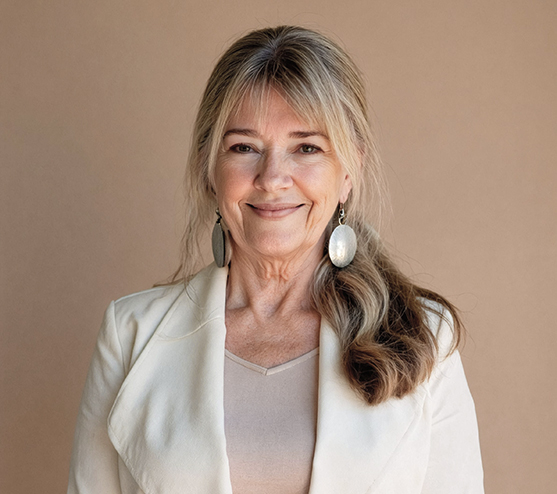
Bridget Archer · McLean Faulconer, Inc.
Strategic Marketing for Virginia Country Homes
Farms, estates, horse properties, historic homes, and distinctive country residences deserve more than ordinary exposure. They deserve thoughtful positioning, memorable presentation, and a strategy that makes the right buyer stop, look, and call.
Reviewed & Current as Wednesday, June 3, 2026
Seller Marketing Network
More Than a Listing. A More Complete Way to Be Seen.
Built for properties with land, character, usefulness, and a story to tell.
VirginiaCountryLiving.com is the country-property hub of Bridget Archer’s marketing network — built for homes and land with more to say: acreage, architecture, privacy, history, barns, pastures, gardens, views, water, working land, and the unmistakable pull of a Central Virginia setting.
Many distinctive properties belong in more than one category. A historic home may also be a farm. A country estate may include barns, fenced pasture, gardens, or equestrian improvements. A rural retreat may appeal to buyers searching for acreage, privacy, views, and a quieter way of life. This connected network gives each property room to be understood through every quality that makes it valuable.

Charlottesville Horse Farms
CharlottesvilleEquestrianProperties.com gives horse farms and equestrian estates a focused place within the network, created for buyers searching for barns, arenas, fenced pasture, turnout, riding trails, acreage, and horse-friendly land near Charlottesville.
Equestrian buyers look beyond acreage. They study the barn, fencing, turnout, arenas, trailer access, water sources, pasture layout, footing, hay storage, and the daily usefulness of the farm. A property with strong equestrian function deserves to be presented through that lens, especially when the residence, setting, land, and improvements all work together.
For sellers, this matters when a property is more than a home with land. It may be a true horse farm, a country estate with equestrian infrastructure, a historic farmhouse with barns, or a rural retreat with pastures and rideability. This site helps buyers understand that function from the beginning.

Virginia Historic Homes
VirginiaHistoricEstates.com gives historic homes, antique residences, country manors, and legacy estates a focused place within the network. These properties need more than ordinary exposure; they need context — architecture, craftsmanship, age, provenance, gardens, outbuildings, acreage, setting, and story presented in a way the right buyer can understand.
A historic property may also be a farm, a horse property, a country estate, or a private rural retreat. Its value may be found in original detail, mature trees, old dependencies, garden structure, approach, land, and the quiet permanence that cannot be recreated.
This site helps historic properties be seen for more than age or square footage. It gives them a dedicated setting where history, architecture, land, and lifestyle can be understood together.

Charlottesville Country Estates
CharlottesvilleCountryEstates.com gives estate-caliber country properties their own refined presentation — homes where architecture, acreage, privacy, approach, views, setting, and long-term value matter as much as the residence itself.
Estate buyers look for more than square footage. They notice the arrival, land, privacy, gardens, outdoor spaces, barns, views, guest space, and the overall feeling of the property. A country estate may also be historic, equestrian, agricultural, or deeply tied to the landscape around it.
This site helps frame those properties as complete estates, not simply houses on acreage — giving sellers a stronger way to communicate scale, setting, lifestyle, and lasting value.

Virginia Country Living
VirginiaCountryLiving.com is the central country-property hub of the network, bringing together the many ways buyers search for Central Virginia rural real estate — country homes, farms, horse properties, historic homes, estates, acreage, gardens, views, barns, pastures, and homes with land.
The hub is intentionally broader than the individual niche sites. It gives buyers a place to explore the full country-property market, while still connecting them to more specialized resources when a property has historic, equestrian, farm, estate, or acreage-driven appeal.
For sellers, the benefit is context. A property can be presented through the qualities that make it meaningful — land, setting, character, usefulness, privacy, beauty, improvements, and the way of life it offers.

Charlottesville Country Properties
CharlottesvilleCountryProperties.com is being developed as a focused resource for buyers searching for country homes, acreage properties, smaller farms, rural retreats, older farmhouses, and simple country living near Charlottesville.
This site supports the more approachable side of the country-property market — homes with land, barns, gardens, workshops, privacy, usable acreage, and a quieter rural setting without requiring the scale of a formal estate.
Within the broader network, it helps distinguish everyday country living from the more specialized categories of luxury estates, historic homes, horse farms, and working farms. It gives this important segment of the market its own clear identity.

Charlottesville Farms and Estates
CharlottesvilleFarmsandEstates.com is being developed as a focused resource for buyers interested in farms, estate acreage, working land, pasture, barns, water sources, fencing, hay fields, and productive rural property near Charlottesville.
This site supports the land-centered side of the network, where acreage, infrastructure, soil, water, fencing, barns, field layout, equipment access, and practical use can be as important as the residence itself.
For sellers of farms and acreage properties, this matters because the land needs to be explained, not just shown. Farm-minded buyers want to understand how the property works, how it can be used, and whether it supports a true rural or agricultural way of life.
Seller Representation
Considering Selling Your Central Virginia Property? Position Your Property to Stand Apart.
If you are thinking about selling a country property, horse farm, historic estate, working farm, acreage property, or distinctive rural home in Charlottesville or Central Virginia, your property deserves more than a listing. It deserves strategic positioning, refined presentation, and marketing designed to help the right buyers understand its full value. Contact Bridget Archer to discuss how your property can be prepared, presented, and positioned within a focused country-property marketing network.